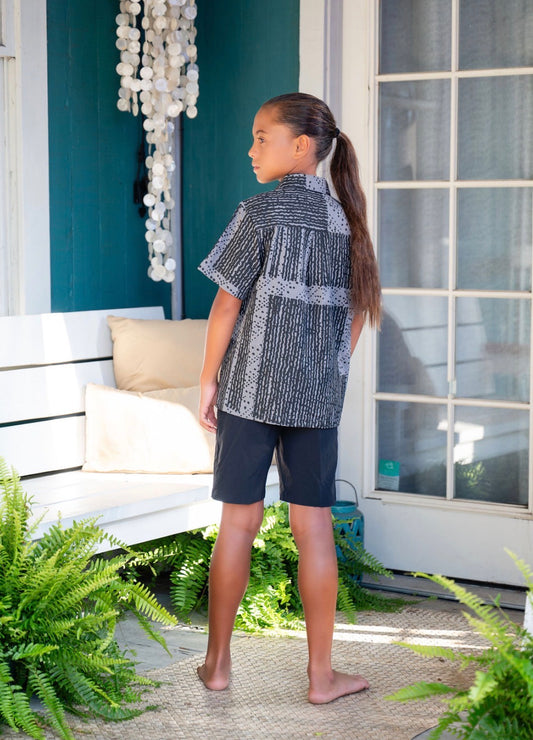
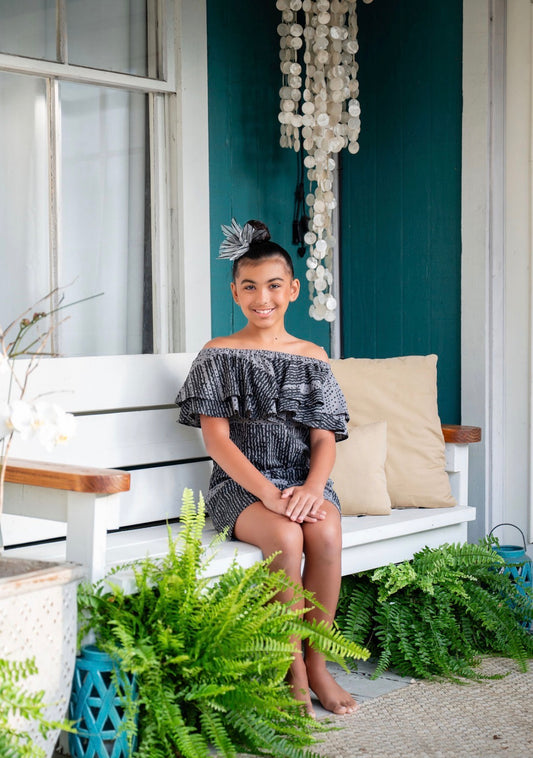
Collection: Haʻihaʻilauākea/Haʻihaʻilaumeaikū
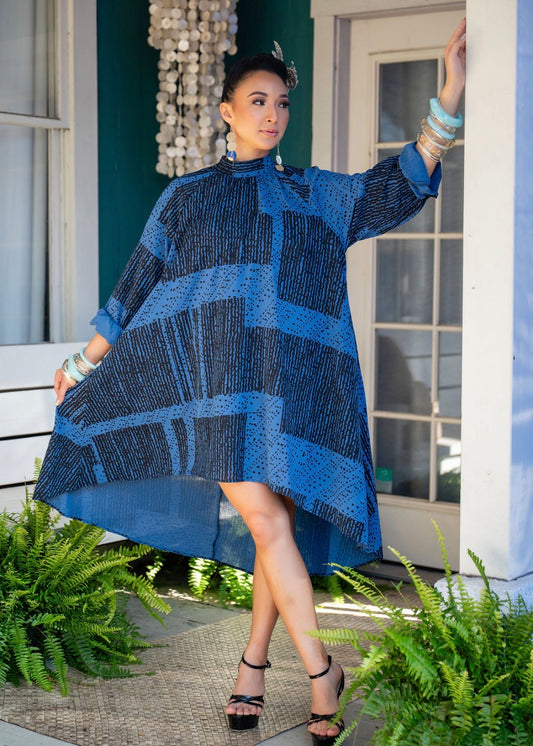
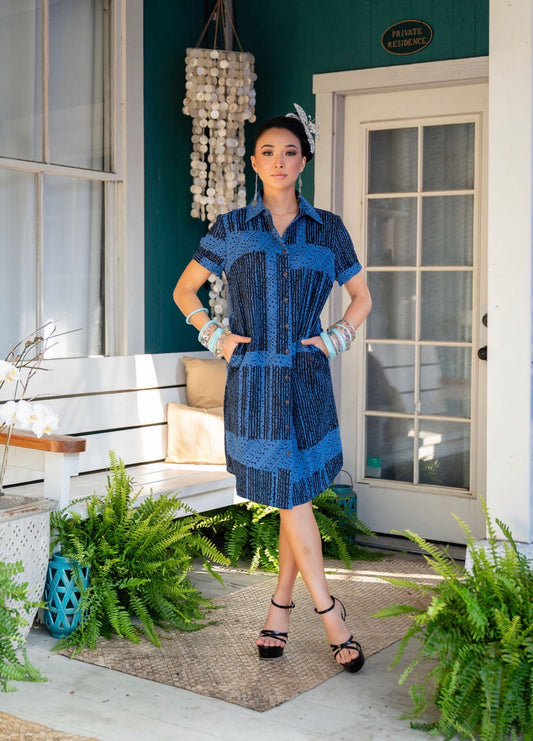
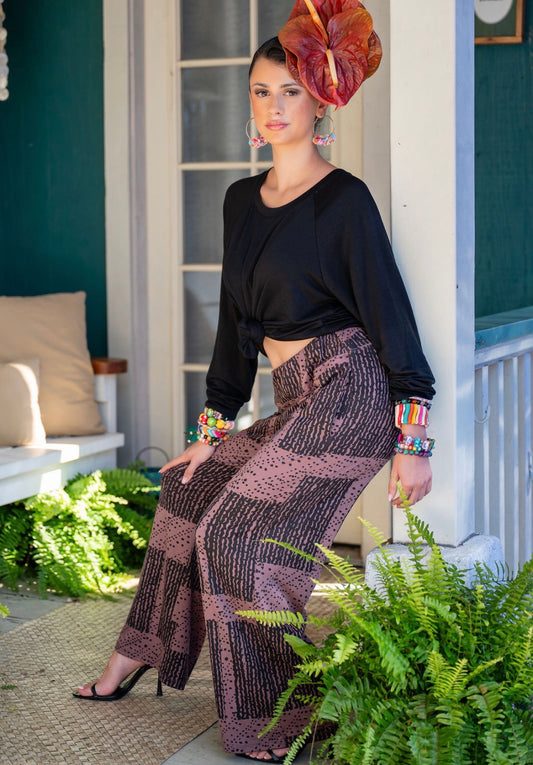
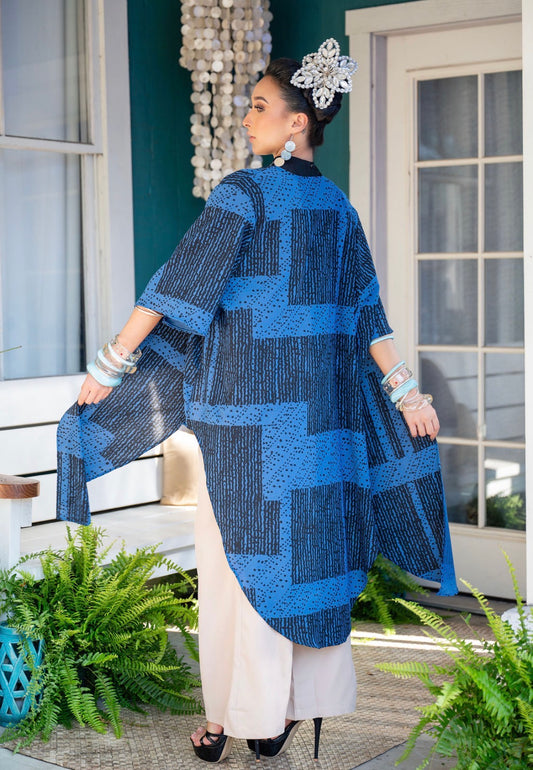
Haʻihaʻilauākea and Haʻihaʻilaumeaikū are potent epithets that capture the tempestuous, transformative effects of the volcano goddess Pele on the natural world. These ancestral names serve as a conceptual blueprint, mapping the intense friction of ecological creation and collapse directly onto physical form. A literal breakdown of these terms reveals their raw, structural power: haʻi means to break, snap, or shatter; lau refers to leaves, greenery, and verdant growth; while ʻākea and meaikū suggest vast breadth, immense scale, and well-established, upright forms. Woven together, these epithets evoke a vivid, visceral image of Pele’s storms violently fracturing mature, deep-rooted vegetation.
This design materializes that exact threshold of impact. Textures mimic fractured bark and torn canopies through structured pleating, deliberate distressing, and bold geometric configurations, while rigid, architectural structures yield into fluid, cascading textiles that echo moving lava. The structural linework and graphic rhythms anchoring this work are directly inspired by historic kapa (barkcloth) treasures stewarded across the ocean. Specifically, the patterns re-envision a sacred ancestral kapa piece collected from Hawaiʻi during Captain James Cook’s third voyage between 1776 and 1780, currently held within the British Museum collection. By extracting these ancient, hand-stamped graphics from institutional archives and breathing them into three-dimensional life, the work bridges the past with the present, treating the medium as a living historical continuum.
In the Hawaiian worldview, this fracturing and restructuring is not mindless devastation. It represents a sacred cycle of regenerative destruction. As these elements occupy space, the canvas becomes a temporary monument to survival, ancestral memory, and rebirth. By shedding outer layers, paying homage to archival barkcloth, and disrupting traditional lines, the work honors how fury strips away the old to let light penetrate the darkness. This expression ultimately manifests Pele's disruptive gales and historic material lineage as essential, generative acts of creation, fertility, and profound cultural renewal.

-
Kaʻiu Cutie AIRFLOW (BHD PHB ʻ26)
Vendor:Kaulua'e Hawai'iRegular price $110.00 USDRegular priceUnit price per -
Kahealani AIRFLOW (BHB & BHDʻ26)
Vendor:Kaulua'e Hawai'iRegular price $105.00 USDRegular priceUnit price per -
Hauoli Blouse DTY-S (BHM ʻ26)
Vendor:Kaulua'e Hawai'iRegular price $89.00 USDRegular priceUnit price per -
Kailianu Pullover DTY-S (BHM ʻ26)
Vendor:Kaulua'e Hawai'iRegular price $99.00 USDRegular priceUnit price per -
MENʻS Aloha Shirt Short Sleeve LINEN (BHG ʻ26)
Vendor:Kaulua'e Hawai'iRegular price $120.00 USDRegular priceUnit price per -
Lilinoi Lounge Pants DTY (BHM ʻ26)
Vendor:Kaulua'e Hawai'iRegular price $89.00 USDRegular priceUnit price per -
Waialeale Cover Up AIRFLOW (BHD ʻ26)
Vendor:Kaulua'e Hawai'iRegular price $90.00 USDRegular priceUnit price per -
Aloha Shirt Button Down BOYS LINEN (BHG ʻ25)
Vendor:Kaulua'e Hawai'iRegular price $58.00 USDRegular priceUnit price per -
GIRLS Māhealani Shorts Romper LINEN (BHG ʻ26)
Vendor:Kaulua'e Hawai'iRegular price $59.00 USDRegular priceUnit price per